Most people know about rooftop solar panels. Fewer realize you can benefit from solar energy without installing anything on your property — no panels, no permits, no upfront cost. That’s the idea behind community solar, and it’s one of the fastest-growing ways Americans are accessing clean energy.
The U.S. community solar market recently crossed 10 gigawatts of installed capacity — enough to power roughly 1.8 million homes. Illinois has become one of the strongest markets in the country, accounting for 24% of all community solar installations nationally in 2025. Yet for many residents, the concept is still unfamiliar.
Here’s how community solar works, who it’s designed for, and what it means in real dollars.
How Community Solar Works
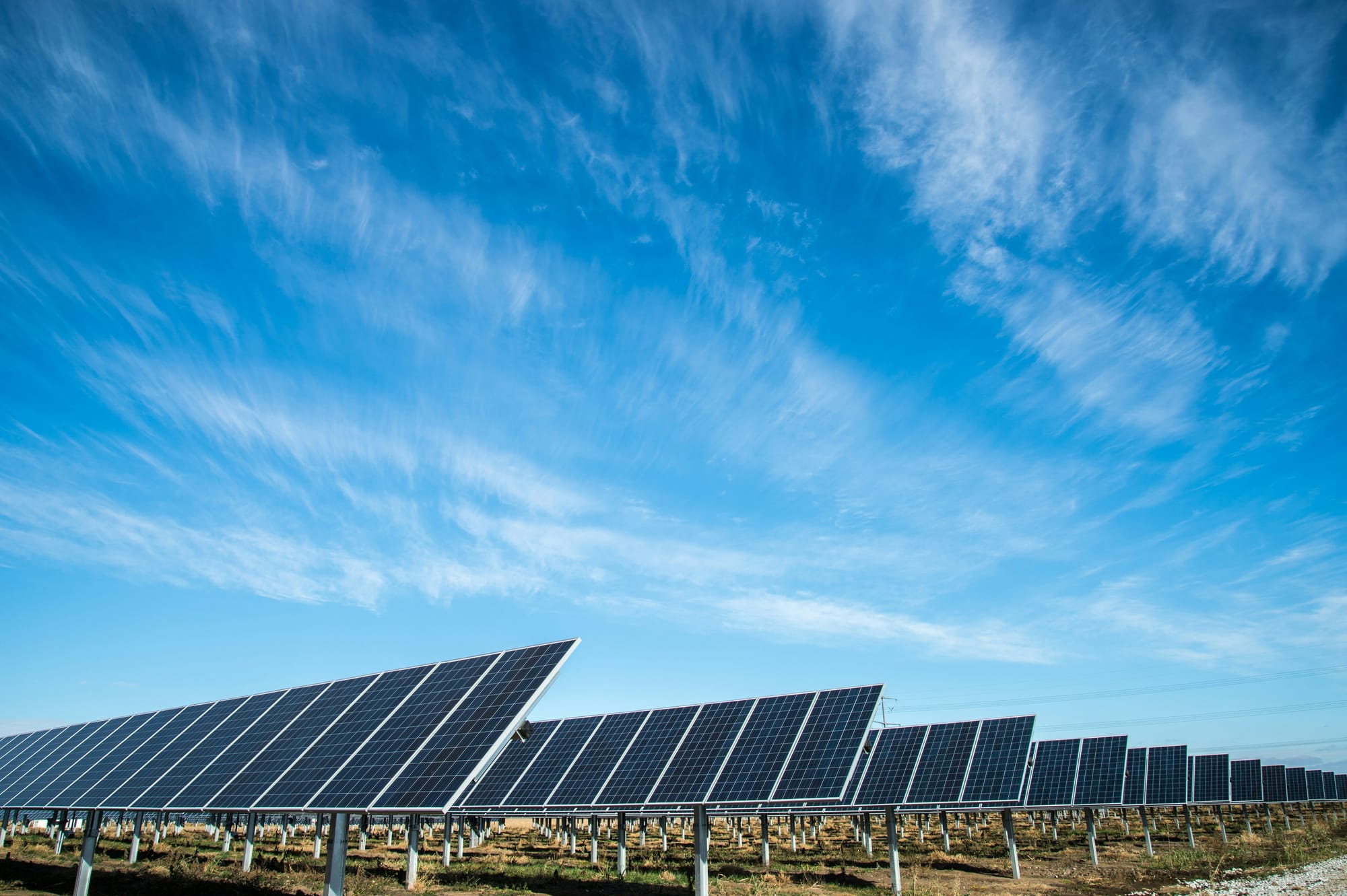
A community solar project is a large solar array — usually built on open land rather than on a roof — that generates electricity and feeds it into the local power grid. Instead of serving a single home or building, it serves hundreds or thousands of subscribers, each of whom claims a share of the energy produced.
When your share of the solar farm generates electricity, your utility applies a credit to your monthly bill. You don’t change utilities, and you don’t need to install any equipment. Enrollment is done through a simple subscription agreement, often with no long-term commitment or cancellation penalty.
Think of it like a shared garden: you don’t need your own yard to grow vegetables — you just need access to a plot.
Who Qualifies
Community solar is designed to be broadly accessible — and in Illinois, it’s specifically structured to reach people who have historically been left out of the clean energy transition.
If you’re a renter, you qualify. If your roof isn’t suited for panels due to shading, age, or orientation, you qualify. If you can’t afford the $15,000–$30,000 upfront cost of a rooftop system, you qualify. In most programs, any residential utility customer within the project’s service territory can participate.
Illinois programs go further. Through the Illinois Solar for All (ILSFA) program, income-qualified households — generally those at or below 80% of the area median income — can subscribe to community solar at no cost and with guaranteed savings. Federal guidelines require that low-income community solar subscribers receive a bill credit that reduces their electricity costs by at least 20%.
How It Differs From Rooftop Solar
Rooftop solar requires homeownership, a suitable roof, and significant upfront capital — even with tax credits. The national residential solar market contracted 12% in 2024, in part because shifting incentives have made the economics harder for many homeowners to justify.
Community solar removes those barriers entirely. There’s no installation, no loan, and no home equity requirement. Subscribers simply sign up, start receiving credits, and can typically cancel if they move or change their mind.
For the roughly 50% of American households that can’t install rooftop solar — whether because they rent, live in multifamily buildings, or face cost constraints — community solar is often the only practical path to solar savings.
What It Means in Real Dollars
The savings from community solar vary by program and utility territory, but the structure is consistent: subscribers receive a bill credit worth more than any subscription fee they pay. In many programs — particularly those focused on income-qualified households — there’s no fee at all.
For a household saving $35 per month, that’s $420 per year. Over the 25-year life of a community solar project, that adds up to more than $10,000 in cumulative savings for a single household. Across an entire community, the economic impact is substantial.
Getting Started Is Simpler Than You Think
If you live in an Illinois utility service territory — particularly Ameren Illinois — you may already be eligible for a community solar subscription. Enrollment typically takes just a few minutes, requires no credit check for income-qualified programs, and can begin delivering savings on your very next billing cycle.
Kane Energy builds community solar projects designed to reach the people who need savings most. If you’re a resident curious about whether you qualify, or a community leader exploring what community solar could mean for your neighbors, we’re here to talk it through.
Learn more about community solar in your area — contact Kane.